Our One-Day Adventure on Rottnest/Wadjemup Island

You may have heard of Rottnest (or Wadjemup) before, most famous for being the home of the quokka, a small and adorable animal that largely only exists on the island. We had certainly heard of it before as a place to go to see these quizzy little animals but we hadn’t heard much else about it. Now we can accept that this is probably mostly due to our shameful lack of research before visiting, but what we expected to spend our day doing was generally just wandering around looking at quokkas and thinking about how cute they are and not doing much else. However, to define this place as the home of the quokkas is to grossly underestimate it. Whilst no one can deny (and we certainly will not try to) that quokkas are potentially the absolute cutest of the world’s animals, Rottnest island should not be overlooked as a destination in itself. It is hands down one of the most beautiful and diverse places in the world and, certainly, one of the most breathtaking places we have ever been.

Getting to Rottnest is not a journey to be taken lightly, if you suffer from seasickness we strongly recommend considering how badly you actually want to go. There were a few moments on the journey where we genuinely questioned whether we’d even make it to the island. On journeys like these it’s always comforting, if somewhat baffling, to look to the staff and see them so utterly unphased by the movements of the boat which, to us, appeared to defy the laws of physics (even by our admittedly limited understanding of physics). We definitely would have had an easier time on the outward journey had we actually known what to expect so, please consider yourself warned. To be perfectly honest you’ll probably go now expecting some great and daring adventure with furniture flying from one end of the boat to another and other such hazards to be faced in the dangerous world of seafaring only to find yourself heartily underwhelmed, for that we can only apologise.

As well as giving your body a bit of a beating, the ferry ride can also give your bank account a bit of a beating. It doesn’t have to be an expensive day but it’s certainly not something we would class as cheap either. We shopped around online, looking at all available routes, days, and times to travel to find ourselves the best deal. In the end we managed to only spend around 60 AUD each which is perfectly manageable (costs can also be kept down by choosing to walk rather than rent a bike but more on that later). We travelled with SeaLink but Rottnest Express is the other main ferry service you can travel with. We chose to go over on the first ferry of the day, feasible as we were staying in Fremantle at the time and only had a 10 minute walk to the dock to contend with. Ferries do also depart from the city centre but as this is a longer journey it’s more expensive. If you aren’t lucky enough to be staying in Fremantle when you go to Rottnest it is easily accessible from the city centre on the train which only takes about 30 minutes and gets you really close to the dock.
Our ferry departed at 7am, it was mostly filled with people heading out for a day’s work and had us up at an eye-watering 5am. It was well worth the early start as it got us to the island before it got too busy and had us finishing our day before we got too hot. We returned on the 2:30pm ferry which, as we chose to save money and walk rather than renting a bike or paying for the hop-on-hop-off bus ticket, was more than enough time to see everything we could feasibly walk to without getting too tired. It even gave us a little time to enjoy our pack lunches and mentally prepare ourselves for the ferry ride back. Everyone recommends renting a bike for your day on the island and it felt as if that’s what everyone apart from us was doing. At times you could have convinced us we’d accidentally wandered into Amsterdam there were so many bikes lying around, some of them even had people on them. We chose not to rent a bike or pay for the bus and did not regret that decision in any way. Bikes certainly seemed to be the best way to see the whole island but, as we weren’t necessarily interested in attempting to see absolutely everything (a temptingly feasible idea when visiting an island that is only 11km long at its longest point) we were perfectly satisfied to walk and managed to very comfortably see around half of the island.
Getting there early also turned out to be a huge advantage as it meant we felt as though we had some areas all to ourselves, if you haven’t experienced the magic of being the only people on a hidden little beach then go and do it as soon as you can. Rottnest can get a little busy in the height of summer as, unexpectedly, there is a surprising number of hotels and holiday rentals. We knew that it was possible to stay on the island but certainly didn’t expect it to be quite as built up as it was. Again, however, as we arrived so early the presence of the significant number of holiday makers was not felt. This is because, of course, it was practically still the middle of the night and all self-respecting holiday makers were still fast asleep.
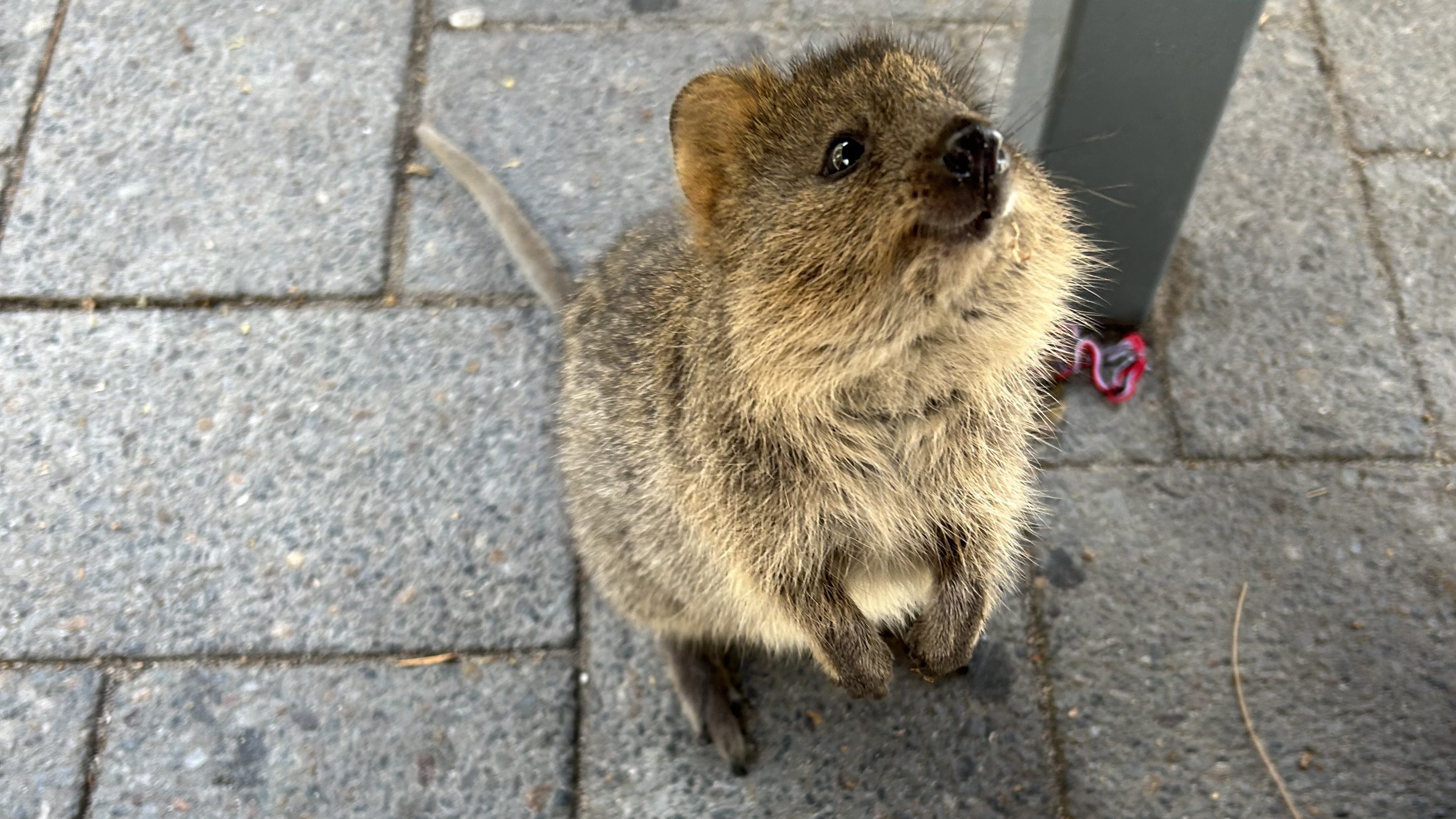
As we headed off the dock following our arrival, after a brief pause to allow the world to feel steady again once back on solid ground, we began to discuss (astonishingly, for the first time) our expectations. We expected our day to consist of leisurely roaming about the island spotting quokkas left and right. Quokkas are small marsupials, in the same family as the wallaby and kangaroo. They move around somewhat similarly to the kangaroo, hopping around on their large hind legs but also often using their small front legs (or maybe arms?) to help them take smaller steps. On Rottnest they are safe from their natural predators that only exist on the mainland, this makes them very confident around humans and you are very likely to have one wandering around right beneath your feet, but please don’t touch them as this is illegal (for good reason, they are wild animals and don’t need your help!) Purely in the interest of providing a balanced view of these animals we feel we also need to tell you a couple negatives. Quokkas are known to be very two-faced, they are always seen smiling but, unfortunately, they are not genuine smiles and they are merely pretending to be happy to see you (or it’s a result of their facial structure we can’t remember). Female quokkas are also known, when threatened, to sacrifice their joeys in order to distract the predator and give them time to escape which is just… lovely. Despite this, between August and September you are likely to see joeys emerging from their mother’s pouches which is meant to be a spectacular sight (just don’t ask for any parenting tips).
As we made our way off the dock we struck up a friendly competition to see who could spot the first quokka, a little game that kept us entertained for all of 2 minutes. The excitement of finally seeing our first quokka was very quickly overpowered by the excitement of seeing our second, third, and fourth quokkas. Having read that they are mostly nocturnal and can generally be found sleeping in the shade under trees during the day we hadn’t expected the main square to be literally riddled with the little creatures. We set off on our hike expecting much the same only to find that they seemingly prefer to wander the main square looking for food rather than sunbathe on the beach (not sure why). Quokkas became, however, a distant memory when confronted with the incredibly beautiful landscape before us as we ventured further around the island.
We found, as we walked, that Rottnest is home to some of the most beautiful beaches in the world. We even enjoyed a little paddle in a beautiful and sheltered bay with crystal clear water that easily rivalled the Maldives. The day, however, did not really take off until we decided to head inland as we circled back to the dock. It was on this leg of the journey that we discovered the truly incredible beauty of this highly protected piece of land (Rottnest enjoys A-class reserve status, the highest level of protection that can be afforded to a piece of public land). Whilst you will see everyone raving about the stunning beaches, the inland salt lakes are, in our opinion, criminally underappreciated.
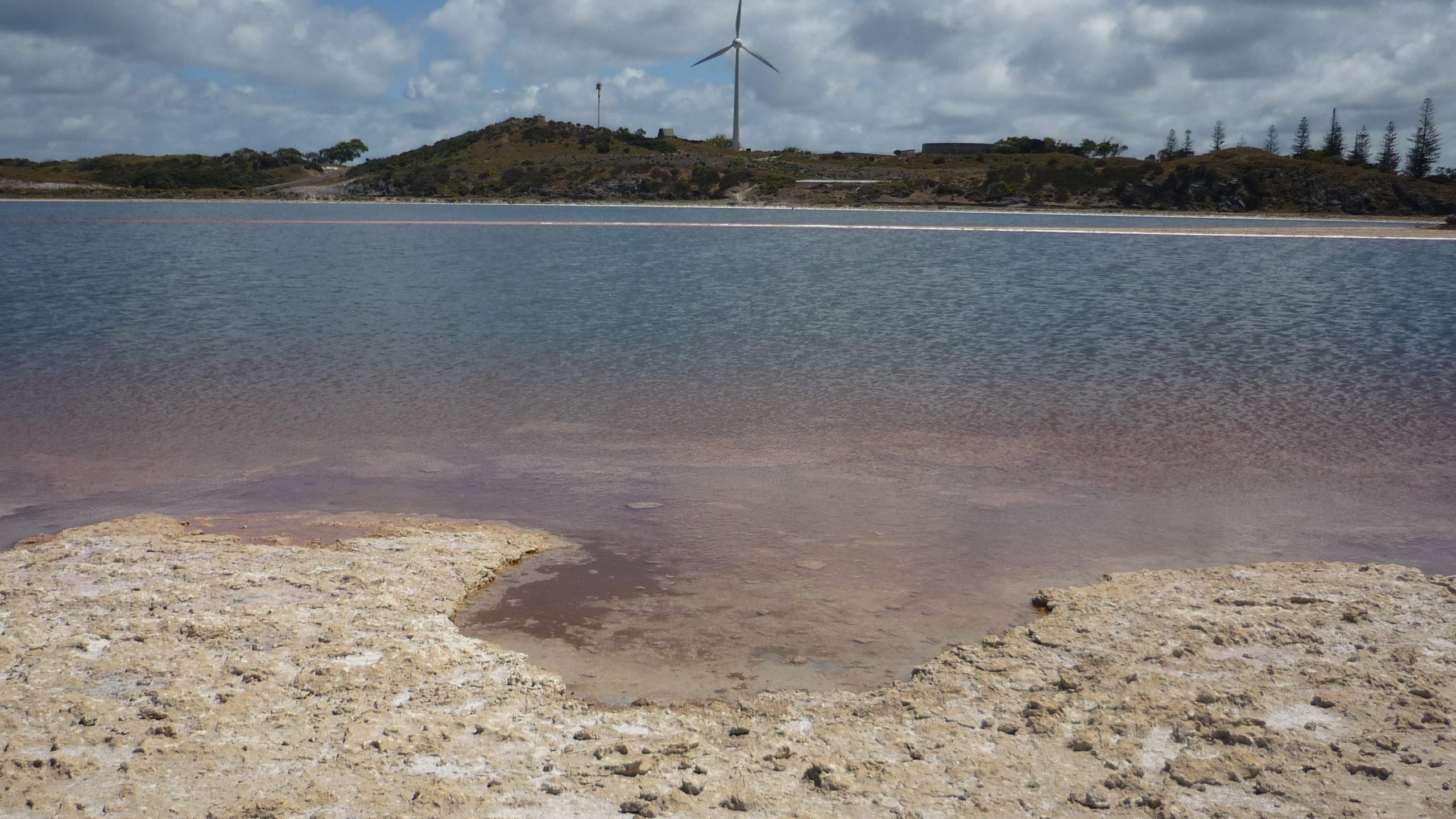
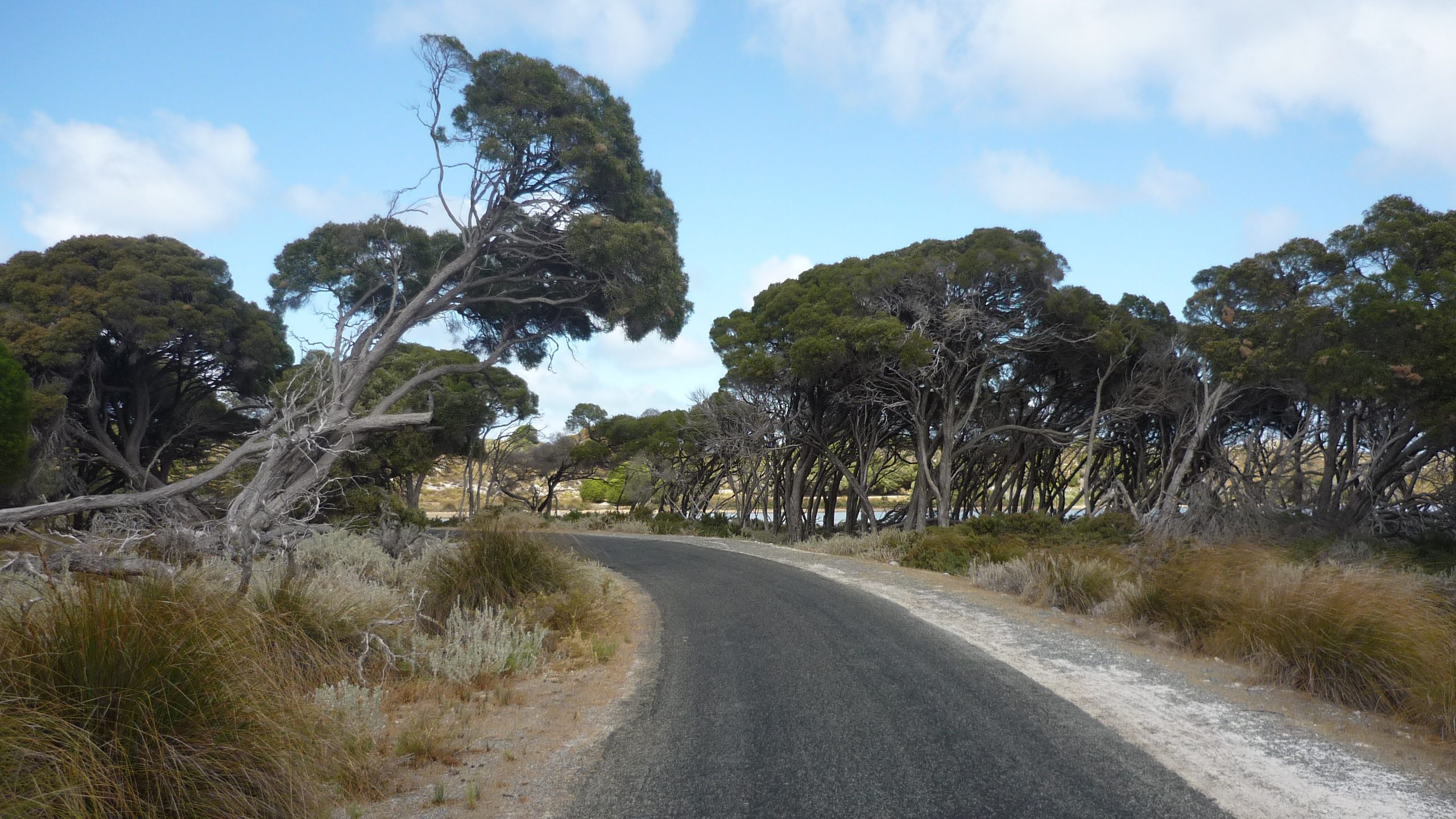
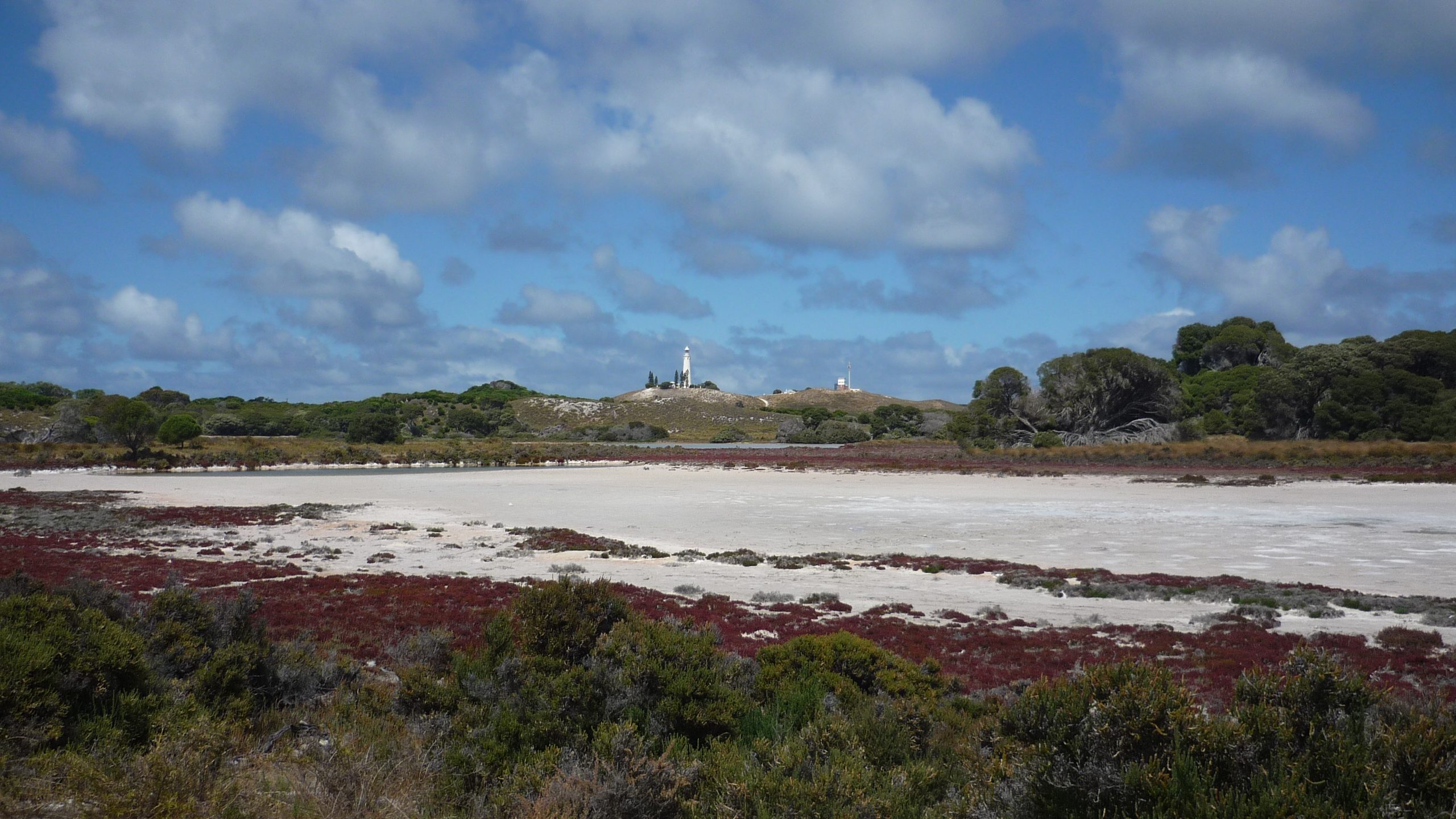
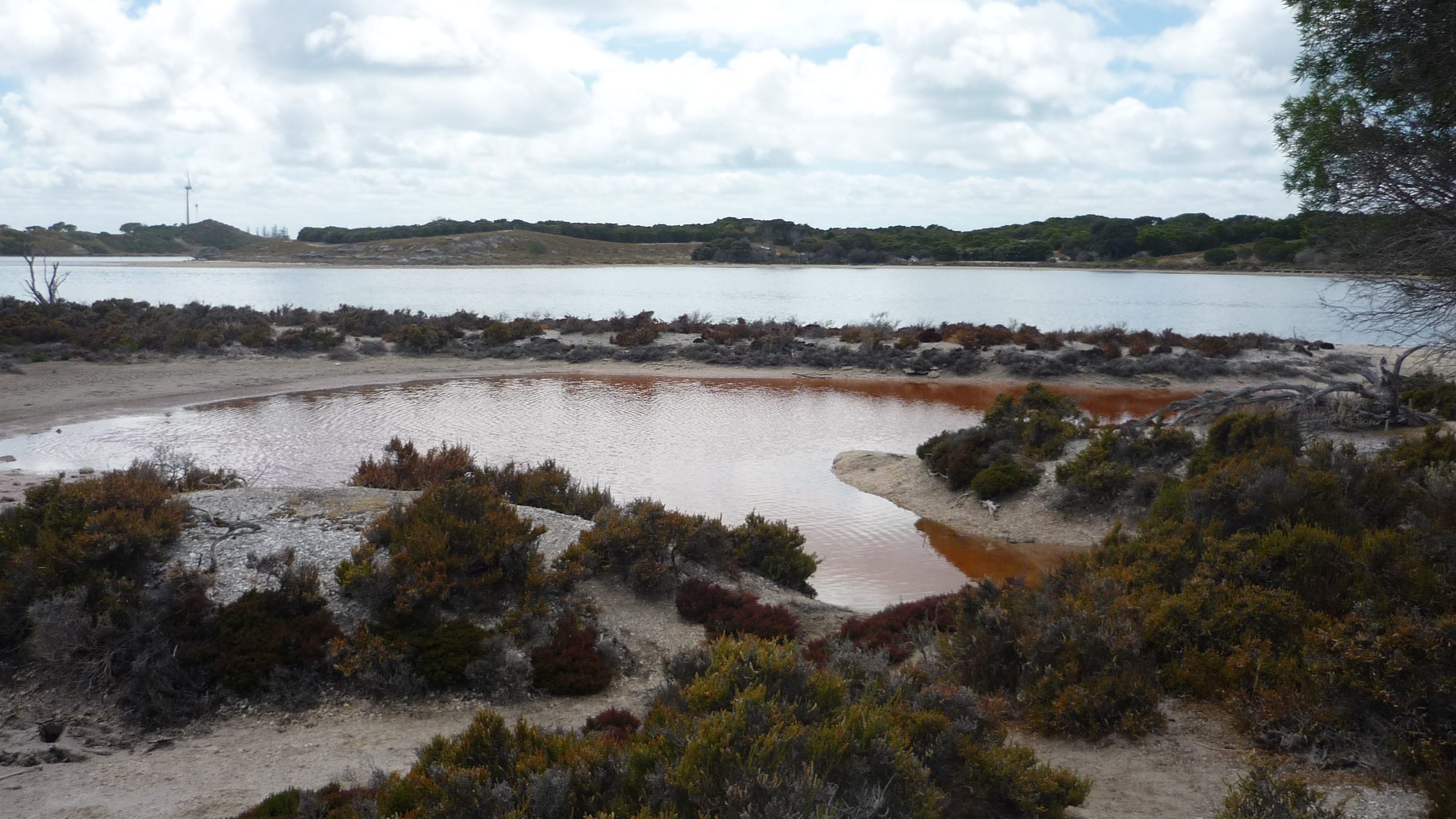
In an area that was once a cave system that collapsed after becoming exposed, 12 majestic salt lakes now cover 10% of the inland space on Rottnest. The water in these lakes is 4 times saltier than the sea that surrounds the island which has created a beautiful and unique ecosystem, one we had not previously been lucky enough to experience anywhere else. We honestly were blown away by the unexpected sight of these lakes and the peaceful vastness of the ‘bushland’ that surrounds them. We chose to walk along the roads following a brief exploration of a section of hiking trail, the beautiful serenity of which was very quickly disturbed by an ominous rustling from the bushes that we are absolutely certain was caused by one of the poisonous snakes we had seen so many signs warning us about. The potential danger of cyclists or buses on the road, thus, seemed the far better option to us when compared to the absolute certain death by deadly snake bite that awaited us on the hiking trail. We made the right choice. To make things even better we also appeared to have the roads to ourselves as well, seeing only 2 buses and maybe 4 or 5 cyclists as we walked, another benefit of starting so early and choosing what appeared to be the path less travelled.
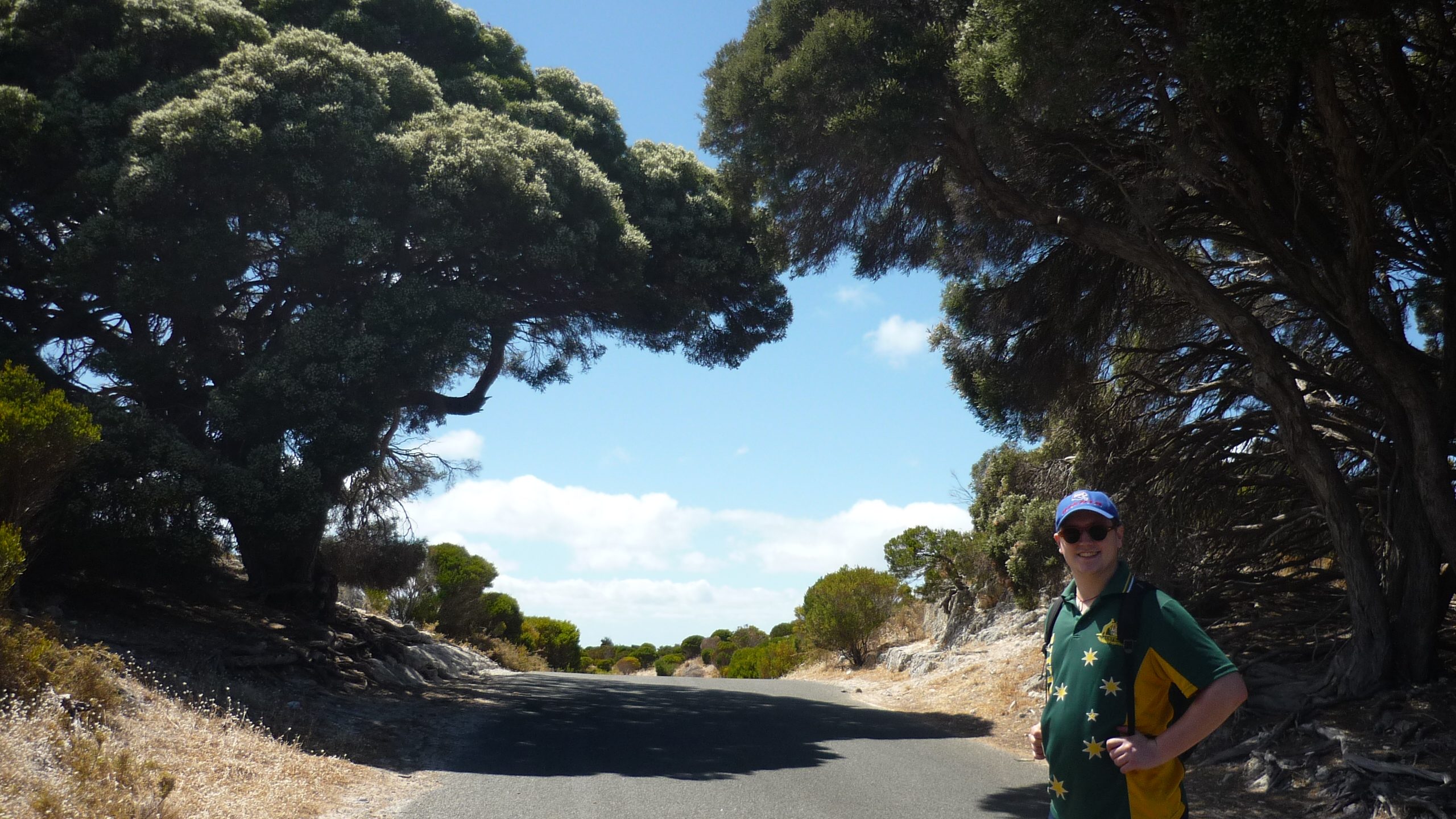
The walk that followed was nothing short of wonderful, one of those times you are sometimes lucky enough to experience when everything just works. We weren’t too hot, the walk wasn’t too difficult, the path wasn’t too busy, and we were able to take in the full beauty of the landscape that surrounded us. Gently rolling hills, beautiful lakes, some tinged with a soft pink colour, some frosted with sparkling salty foam, stinky salt flats and an awful lot of what we decided must have been quokka poo (and even a few wild quokkas enjoying nap time in the undergrowth). This was the experience we did not expect to have and one that we can’t encourage you enough to experience for yourself.
As we approached the main square once more we felt as though we had been wandering through an entirely different planet, in fact, several entirely different planets. Now it was, so to speak, time to come back down to earth. As we sat on the beach, lulled by the unwelcome pounding of dance music from a beach bar, we attempted to enjoy our pack lunch (another genius, money-saving brainwave) only to be mobbed by a group of seagulls, now we really felt normal again. It was time to head back to the mainland.

 Cam and Lib With Us